Kyoto in 4 days


After starting our Japan trip in modern Tokyo, it was time for some historic sights: the old capital city of Kyoto. Unlike Tokyo, which was 90% destroyed by Allied bombing in World War II, Kyoto retains its ancient sites. We had 4 days to soak up the atmosphere (and more temples than my kids could possibly hope for).
We boarded one of the famous Japanese bullet trains (Shinkansen) from Tokyo for a 2 hour ride. It was seamless and you can pick seats on the right side of the train for a peak at Mt. Fuji. If you take the last row, it allows larger luggage storage.

Our Airbnb was a renovated traditional home for Kyoto called a Machiya. https://www.airbnb.com/rooms/1517210968518738445?guests=1&c=.pi129.pkpast_trip_share_virality&s=67&unique_share_id=4aac8188-ad60-4139-94f6-89d2ed5101d3
It was in the Gion district and allowed easy walking to many temples and restaurants. I would definitely stay in this area if visiting Kyoto and there are a lot of rentals in the area. This place had great Japanese decor and the window did allow viewing street traffic including regular visits from geisha as there is a geisha dancing venue right on the corner.

Day one in town we had lunch at a fancy sushi spot called Taismo Sushi. It was a little expensive but very high quality. Then the Kyoto temple crawl began. We strolled up Ninenzaka and Sannenzaka which are streets full of traditional wooden buildings with the Yasaka Pagoda looming overhead. The view of the pagoda from this street is a standard Kyoto image and it is awesome. Unfortunately, you will be surrounded by so many people.

Follow the street up to Kiyomizu-dera Temple, which is a Buddhist temple dedicated to the worship of Kannon. It is pretty awesome. There were many people about but it didn’t detract from the inspiration of the temple

We headed back to our place and grabbed some ice cream (at least Dylan went with matcha flavor. After a siesta (a staple on every vacation day if I can help it), we walked across the Kyoto River to the Pontocho area which is full of restaurants in an atmospheric lane adjacent to the river. We had some good hot pot.

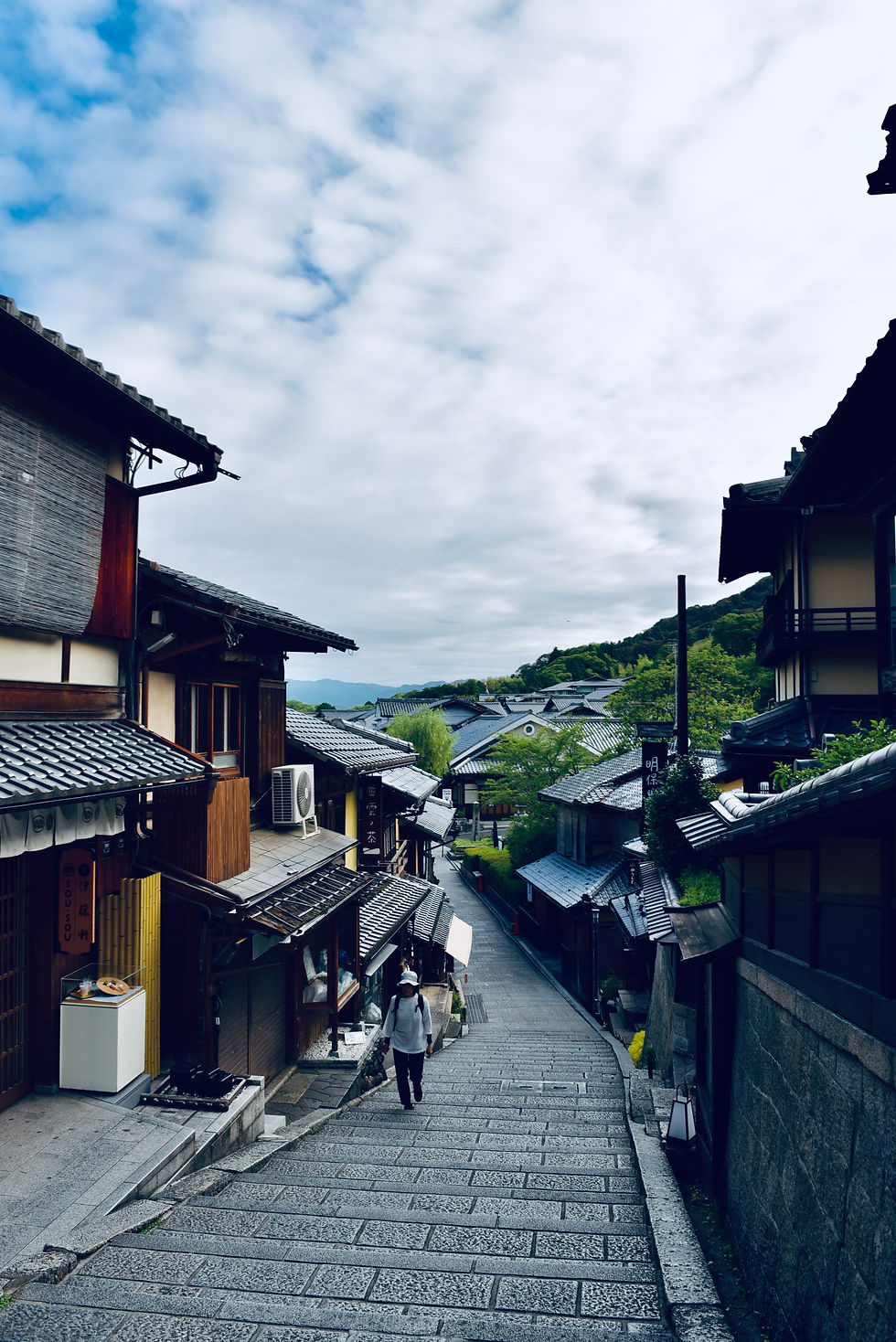
The next morning, I walked back to the same temples we visited the day before to get some shots before the crowds arrived. I walked further north as well to see Yasaka Shrine which was also cool. On the way back, I crossed over the Kamo River which allows a different view of the city.
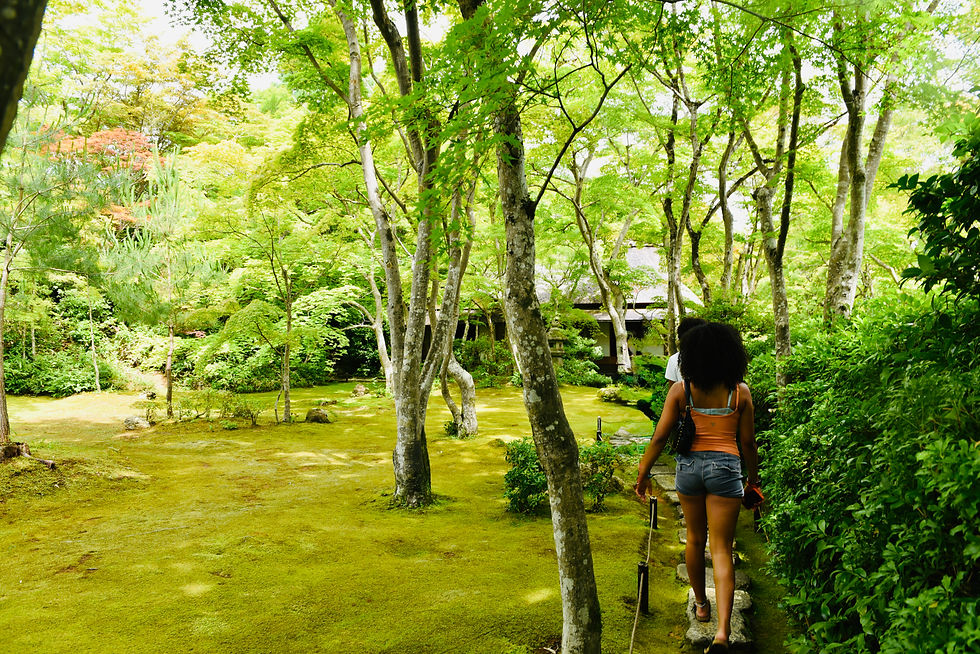
Day two in Kyoto was dedicated to even more temples. We started the day in the Arashiyama bamboo Grove. Most would say you could spend a half day or even a full day in a rush as there are a lot of things to see outside of the famous bamboo Grove.

We unfortunately couldn’t get there as early as I wanted, which stole a lot of the beauty from the site. You need to get there as close to opening time as possible or late in the day or you’ll be sharing the bamboo Grove with about a million other people.

We went through the grove which is very cool, although smaller than I anticipated and fortunately took a detour through Okochi Sanso Villa, which was the former home of a Japanese actor named Dan Giro Kochi. There were very few people in this part of the bamboo grove due to an additional fee of ¥1000. It was well worth it for this quiet little interlude. Mr. Okochi was a silent film star and appeared in a number of samurai movies. He also knew how to create a great garden which he focused much of his life to.

After this, we walked into town and had lunch at a great spot. There are also many tourist and school groups in Arashiyama so you will not be dining alone. There are a lot of activities this area that I decided to say for our next visit to Kyoto so we grabbed a cab and headed to the Golden Temple of Kinkaku-Ji.

This can be a very quick stop and is quite beautiful if the lighting conditions allow you to see the golden temple reflected in the pond that sits in front of it.

We wandered around it and within a few minutes and a couple dozen photos we were done. The kids were up for a little bit more of the temple-palooza so we opted for one more taxi ride to walk the Philosopher's Path.

This turned out to be a very worthwhile addition to the day as the crowds disappeared. Philosophers Path walkway, which is lined with hundreds of cherry trees and is very popular when they are in bloom, was peaceful and no crowds in June. It is named after the philosopher Kitaro Nishida, who took many walks along this trail. The path starts at its northern end at the Ginkaku-Ji temple, called the Silver Pavilion.

The grounds of this temple were awesome. After visiting the temple, you wander down the path which runs along a quiet canal and you won’t see too many people along the way. There are many temples along the way and we actually skipped most. I do recommend stopping at Honen-In. It was very cool. There are cafes and craft shops along the route if that is more your style than mossy old stuff.

For dinner we went to a Spanish/ Italian place called Rigoletto smoke bar and grill. The food and staff were excellent. Like many nights, we stopped by 7/11 before heading home for a bottle of wine or some of their famous snacks. If you haven’t heard about Japanese 7/11, spend 5 minutes on the internet and you’ll end up visiting.

Day 3 in Kyoto was dedicating to Nara. It is great and possibly needs a half day even if you’ve only got 2 days in the Kyoto/ Osaka region. It will take about an hour from Kyoto by train and is most popular for the semi-tame deer (emphasis on semi).

Head straight to Nara Park and you will see them everywhere. Walk through the park to Todai-Ji Temple.

This sucker is impressive. It is the world‘s largest wooden structure. Inside there are a number of huge statues, including the Great Buddha, which is 49 feet tall and is made of bronze, weighing over 500 tons. It is a quick walk around the interior with much to catch your eye.
Although there are tons of school kids and other tourists, it doesn’t interfere with the magnificence of the Buddha or other statues.

After you exit Todai-Ji, another satisfying spot is right around the corner: Nigatsudo-do. This is technically part of the Todai-Ji and was founded in 752. It is charming, has great views and a small fraction of the crowds that are around the great Buddha. Don’t skip it.

We headed across the park to the last temple I planned for our half day adventure: Kasugataisha.
The kids wanted to feed the deer en route so I bought a packet of deer crackers from a vendor. I was subsequently viciously assaulted. Several deer bites later I was trying to throw the crackers at both kids to draw away some of these aggressive beasts but my daughter wanted no part after seeing me crying and swearing. I was yelling lie (no in Japanese) and looked like a damn fool. Definitely some embarrassing video is out there.

The last temple, Katsugataisha, was a little further away up a path through the forest. It was cool on the exterior but, we were out of cash so we did not go inside. Lesson here for tourists in Japan: still many venues will not take a credit card.

We were ready for lunch and I wanted to be outside the park thinking it might get us a little better fare. We found a very fancy spot called Nagomi. This is a teppanyaki where they cook the steak in front of you. It was very tasty but a bit expensive. After the deer assault, I felt I deserved to be pampered. We then hopped a train back to Kyoto (and had another mildly stressful adventure with confusion about reserved train tickets, combined with all phones (with our digital suica cards dying)). Even though you will mess up something with a week of Japanese trains, there is always another train coming soon and there are friendly people in the stations looking to help. It's still fun to run for trains and we always were.

Last day in Kyoto was starting with the Fushimi Inari shrine which is also known as Senbon Torii, or thousand torii gates. This is the head shrine of all Inari (god of rice and business) Shrines in Japan.

The total distance is only 5 km but the whole thing is climbing and descending stairs. The crowds here resemble Arashiyama bamboo grove so we were committed to getting there early- it’s open 24/7 and free. We knew this was go into be a rainy day but the group was Ok with rain rather than heat for the uphill hike. I hoped the weather would keep crowds away.
Unfortunately I booked our Airbnb a day less than I intended so we had to get another place and move our bags across town. This caused us to arrive at the hike around 10 am, with half the school kids in Japan. Side note: consider waiting until last minute to book a rental accommodation as there were many discounted places available last minute. We stayed in another beautiful machinaya across the Kyoto river so we got another neighborhood to explore.

I was distressed at the outset of the hike as the sheer volume of people (all with umbrellas) made it impossible to enjoy the first portion of the walk. After the first quarter of the climb, most of the people dropped out and the rest was awesome.

The temple is at the bottom of the trail and you are hiking uphill mainly to enjoy the torii gates, kitsune statues (stone foxes thought to be divine messengers of Inari) and the views. There are small shrines all along the walk. It is very cool to look at all of these moss covered altars (otsuka) and auxiliary shrines (hokora). It was a great walk and I took a thousand photos.

There was a sign for the Kyoto Waterfall, we found on the way back down Mt. Inari. It was a lovely walk but the 'waterfall' appeared to be drainage pipe- you can skip it.

Next stop: Nijo Castle, built in 1603 for the first Tokugawa Shogun. This was a stop I was borderline on after my research, but my wife wanted to visit a restaurant right around the corner so we hit the castle first. What you hear most about this castle are the nightingale floors which squeak when walked upon to warn Samurai guards of intruders. The floors do squeak like hell but the ‘alarm system’ may be a fallacy- it comes from metal clamps rubbing against loosely placed nails, but

whether this was intentional seems to be controversial.
The interior is full of similar appearing rooms with reproductions of the original paintings that adorned the walls. It was a pretty quick stop but not critical to a Kyoto visit in my opinion.


We then rolled over to Menbaka Kyoto Fire Ramen. This place is so fun. It is expensive for ramen, especially if you want to go in the evening which likely will require a reservation. There was a minimum order for reservations that would have been a ton of food/money. For lunch, you can drop in and it may be no wait. The food was tasty but it was more about the experience: lighting things on fire and taking videos for you etc. The multilingual staff were awesome. It is an experience you’ll remember.

We walked to Nishiki Market in the afternoon. I had strolled through earlier on one of my early morning photo walks when everything was closed. Now, you could hardly breathe with all the people. Apparently the pandemic really changed the market with many small businesses catering to locals folding. Watch out for tourist rip offs (10,000 yen for a skewer!). I couldn’t get out of there fast enough.

We had some time to kill on a rainy afternoon and my daughter suggested we make rings out of old coins which is a crafty activity she found on google. Musubi coin making workshop was fun and took less than an hour. This was a very fun activity and cheap, and the rings, made from old coins from Africa and Japan, look great.

Last stop in Kyoto was Kyoto Beer Lab, which is a little joint around the corner from our place. It had delicious beers and snacks. A Seattleite can't drink these Japanese lagers all week. The next day we had to jump another bullet train for Osaka. It is a 15 minute ride on the Shinkansen but these trains make hauling luggage easier than the standard train which would take less than an hour and save you some money.

Our last day in Kyoto we stayed at an AirBnB across the river: https://www.airbnb.com/rooms/13387993?guests=1&adults=1&s=67&unique_share_id=957e39c7-ce65-4764-a4a6-bdc9916fb127
This place was way bigger than we needed but had a great interior courtyard/ garden, but that's not what impressed me most. Another of those Japanese inventions was this foil packet with instant coffee packs that were so nice with the instant hot water. It is almost as good as the heated toilet seat.
Next stop: Osaka.


Comments